

Table of Contents
Rosacea herbal remedies are often sought by people worldwide who struggle with this common skin condition. It causes redness, visible blood vessels, and sometimes small pimples on the face. Those who suffer from it often seek relief from various treatments, including natural remedies. But the burning question remains: Do natural remedies for rosacea really work?
Understanding Rosacea
Before diving into Rosacea herbal remedies, it’s important to understand what rosacea is. This chronic skin condition primarily affects the face, especially the cheeks, nose, and forehead. There are different types of rosacea, ranging from the mild form with slight redness to the more severe form that includes visible pustules and inflammation.
Common symptoms include facial redness, acne-like breakouts, a sensation of burning or stinging, and sometimes, eye irritation. Several factors, including hot weather, spicy foods, stress, and certain skincare products, can trigger rosacea.. As the symptoms can significantly affect one’s confidence, many individuals seek alternative treatments, such as natural remedies.
Common Natural Remedies for Rosacea
Many people believe that several natural ingredients help with the symptoms of rosacea. Here are some of the most popular ones:

Aloe Vera
Aloe vera is well-known for its soothing and anti-inflammatory properties. People often apply it directly to the skin to reduce redness and irritation. Studies suggest that aloe vera may help to calm inflamed skin and hydrate it effectively, making it a go-to remedy for many rosacea sufferers.

Green Tea Extract
Green tea is rich in antioxidants and has anti-inflammatory effects. Research supports the idea that applying green tea extract to the skin can help reduce redness and swelling, making it an effective natural remedy for rosacea. The polyphenols in green tea fight inflammation and soothe the skin.

Oatmeal
Oatmeal has long been used as a gentle, skin-soothing agent. When applied to the skin, it can help relieve irritation and inflammation, making it a great option for those with rosacea. Oatmeal also contains compounds that help to repair the skin barrier and lock in moisture.
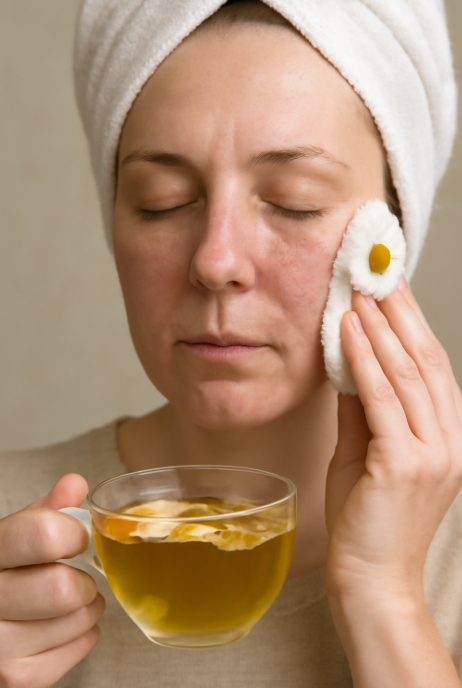
Chamomile
Chamomile is another popular remedy known for its calming effects. It can reduce redness and irritation, helping to alleviate the symptoms of rosacea. Many people find chamomile tea helpful, not only as a drink but as a topical application for soothing the skin.

Coconut Oil
Coconut oil is rich in fatty acids and has moisturizing properties. It helps to keep the skin hydrated, which is crucial for rosacea management. However, some individuals may find it too heavy, so it’s essential to test it on a small patch of skin before full application.

Tea Tree Oil
Tea tree oil is known for its antibacterial and anti-inflammatory properties. Some studies suggest that it may help reduce rosacea symptoms by soothing the skin and fighting bacteria that could trigger flare-ups. However, it’s important to dilute tea tree oil with a carrier oil to avoid irritation.

Apple Cider Vinegar
Apple cider vinegar is a natural astringent that is believed to balance the skin’s pH. While some people have found relief with apple cider vinegar, it’s essential to use it with caution, as it can irritate sensitive skin and worsen rosacea symptoms in some individuals.
Scientific Evidence Behind Natural Remedies
While many Rosacea herbal remedies are widely used for rosacea, the scientific evidence supporting their effectiveness is mixed. Some studies show promising results, especially with ingredients like aloe vera, green tea, and chamomile. However, much of the evidence comes from small studies or anecdotal reports, which makes it difficult to conclusively determine their effectiveness.
Many experts agree that while some Rosacea herbal remedies may provide relief, they should not replace traditional treatments, particularly for moderate to severe rosacea. The best approach is often a combination of natural remedies alongside prescribed medication.
Potential Risks and Side Effects
It’s important to be aware of the risks when using Rosacea herbal remedies. Since rosacea-prone skin is often sensitive, some remedies can cause irritation or worsen symptoms. For example, apple cider vinegar and tea tree oil, if used incorrectly, can aggravate the skin.
Always patch test a small amount of the remedy on your skin before applying it to your face. If you notice any redness or irritation, discontinue use immediately. Also, remember that consistency is key—natural remedies should be used regularly to see any benefits.
Expert Opinions
Dermatologists typically recommend using natural remedies with caution, as they may not be effective for everyone. While some people may find relief from aloe vera or green tea, others might need more targeted treatments. Prescription medications, such as topical antibiotics or retinoids, are often recommended for those with more severe rosacea.
read also Uncover the Best Face Wash for Rosacea: Calm & Confident!
Experts also stress the importance of maintaining a skincare routine that avoids triggers, such as harsh chemicals or extreme temperatures. Combining natural remedies with professional skincare advice can provide the most comprehensive care.
How to Use Natural Remedies Safely
If you decide to try natural remedies for rosacea, here are some tips for safe use:
- Start slow: Introduce one remedy at a time to see how your skin reacts.
- Patch test: Always apply a small amount of the remedy to a small area of your skin before full application.
- Use gently: Avoid rubbing harshly on the skin; instead, apply with gentle, circular motions.
- Consult with a professional: If in doubt, speak with a dermatologist to ensure you’re choosing the right treatment for your skin type.
Conclusion
Natural remedies for rosacea can offer some relief, especially for those with mild symptoms. However, their effectiveness varies from person to person. While remedies like aloe vera, green tea, and oatmeal may provide soothing effects, it’s important to use them cautiously and combine them with professional skincare advice.
Ultimately, the key to managing rosacea lies in a balanced approach, including lifestyle changes, proper skincare, and professional treatments when needed. Always consult a healthcare provider before making significant changes to your skincare routine.